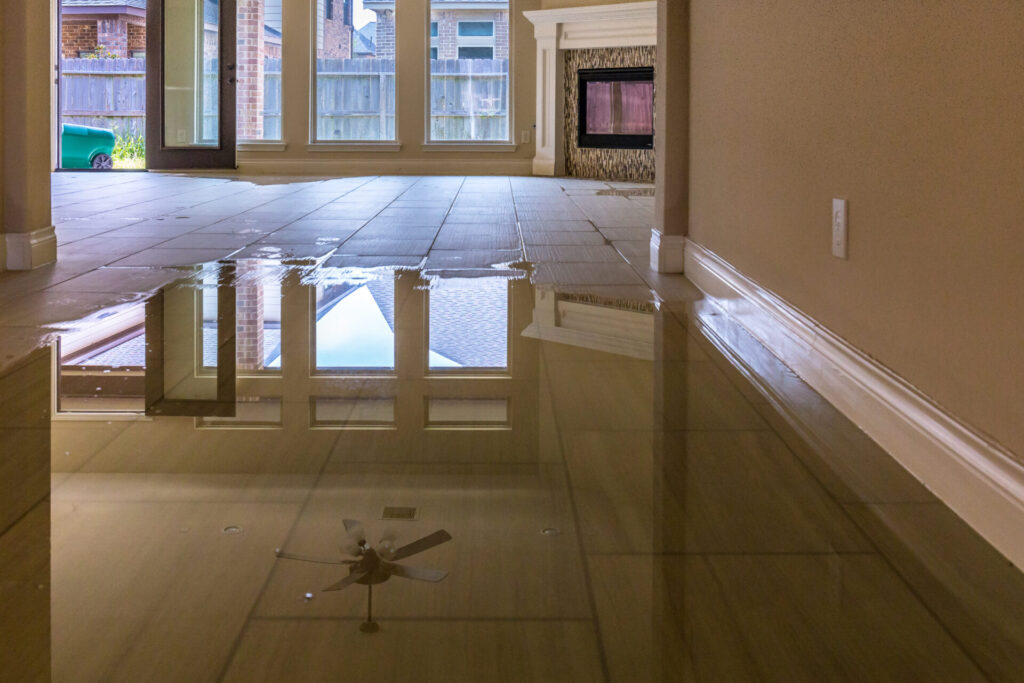
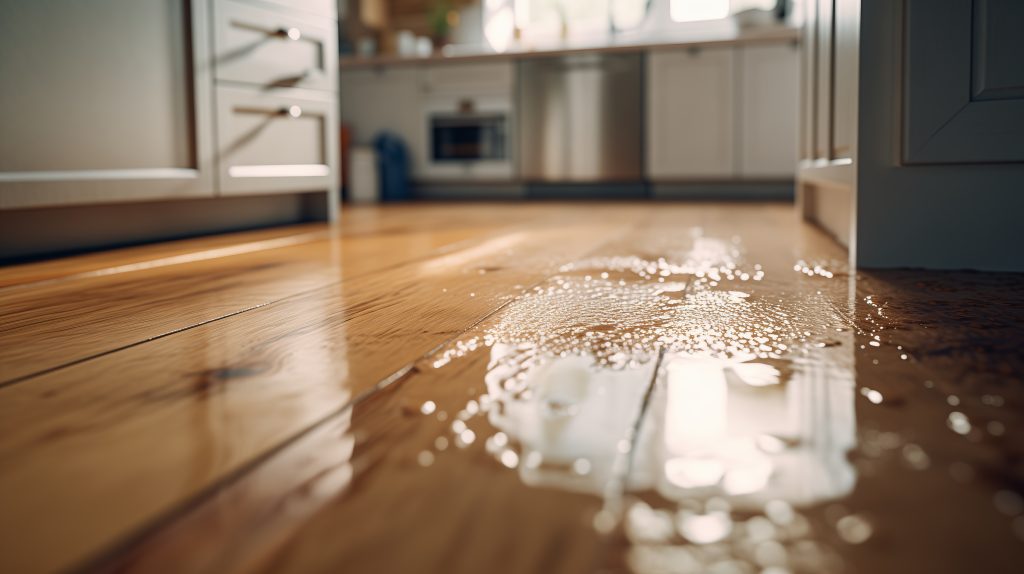
Water spreads quickly. Restoration must follow evidence
Professional water extraction, structural drying and moisture monitoring designed to protect your property and reduce the risk of long-term damage and mould growth.
Water damage assessment
Water extraction
Structural drying
Moisture monitoring
Mould risk control
Removing visible water is only the beginning.
From burst pipes and leaking roofs to flooding and storm ingress, water can penetrate deeply into building materials. A structured assessment establishes what is wet, what is at risk and what must be dried or restored.
Hidden moisture migration
Water can move beneath flooring, into plasterboard, insulation and structural materials long after standing water appears removed.
Material deterioration
Prolonged saturation can damage finishes, timbers and substrates, affecting the condition and integrity of the property.
Rapid mould risk
Moisture creates favourable conditions for mould growth, making timely drying and verification essential after leaks or flooding.
Safety and occupancy concerns
Electrical risk, contaminated water or unstable materials may require controlled access and a professionally managed recovery plan.
Extraction. Drying. Monitoring. Verification.
Every water incident is different. Our process is shaped by the source, affected materials and measured moisture levels, with the objective of reducing damage and confirming the environment has stabilised.
Initial damage assessment
We review the source, category and visible spread of the water damage, identify safety considerations and define the restoration scope.
Source · Scope · Safety
Moisture detection and mapping
Moisture readings help identify affected and concealed areas so drying is informed by evidence rather than surface appearance alone.
Readings · Hidden Moisture
Water extraction
Where standing or excess water is present, professional extraction is used to remove moisture efficiently and limit further damage.
Extraction · Control
Drying and dehumidification
Professional drying equipment is deployed as required to reduce residual moisture within the affected building materials and air.
Drying · Dehumidification
Mould prevention review
The affected areas are assessed for mould risk and, when required, appropriate preventative or remediation measures are discussed.
Mould Risk · Prevention
Final verification and report
Drying progress is reviewed with moisture readings, followed by practical guidance and documentation of the restoration outcome.
Verification · Guidance
delivered as a complete recovery scope.
Mould can begin developing within 24–48 hours of moisture exposure. Fast extraction, thorough drying and measured monitoring help reduce the conditions that enable growth.
We support homes and commercial properties affected by water intrusion with controlled removal, professional drying, moisture verification and associated mould-risk management.
Suitable for residential and commercial properties affected by leaks, bursts, rainfall or flooding, with the treatment plan tailored to the extent and type of water damage.
Comprehensive water-damage and moisture assessment
Professional extraction of standing or excess water where required
Structural drying and dehumidification strategy
Moisture detection and monitoring across affected areas
Mould-risk review with preventative treatment where appropriate
Final assessment, documented findings and prevention guidance
Specialist recovery built around moisture control.
Water damage is not resolved simply when standing water disappears. Our approach connects extraction, drying, monitoring and prevention in one professionally managed service.
Rapid response focus
Timely action is central to reducing spread, limiting damage and managing the conditions that allow mould to develop.
Moisture-led restoration
We use moisture detection and monitoring to guide drying work and confirm progress beyond what can be seen visually.
Professional drying
Suitable extraction, airflow and dehumidification measures are selected according to the affected materials and extent of damage.
Mould-risk awareness
Water restoration and mould prevention are connected. Our service addresses secondary risk as part of recovery planning.
Professional, insured and available nationwide.
Mould Removal Services Ireland provides specialist water damage restoration support across the Republic of Ireland and Northern Ireland, led by Sebastian McCluskey.
Water Damage Restoration
Water-damage work delivered by an IICRC-accredited and insured specialist with restoration experience across homes and businesses.
Drying and monitoring
Extraction and drying supported by moisture detection, progress monitoring and final review of affected materials.
Nationwide service
Supporting residential and commercial clients across the Republic of Ireland and Northern Ireland.
Registered public sector supplier in Ireland — delivering structured, compliance-ready remediation services to housing bodies, local authorities, and property managers.
SupplyGov.ie ID — 24186
Our remediation process aligns with recognised environmental and restoration standards — and is delivered to a documented professional standard.
Personally delivered by an experienced restoration specialist
Sebastian McCluskey, founder of Mould Removal Services Ireland, works with clients affected by water damage, mould, fire and smoke across Ireland and Northern Ireland. His water-damage work focuses on safe removal, professional drying and reducing secondary mould risk.
MRSI states that Sebastian is licensed and certified in water damage restoration, IICRC accredited and fully insured to work within affected residential and commercial properties.
Questions about water restoration.
Do you provide emergency water removal services?
MRSI provides water damage restoration support for residential and commercial properties affected by flooding, leaks and other water incidents. Contact the team with the location and extent of damage so the appropriate response can be discussed.
How do you assess the extent of water damage?
The process begins with a visual review of affected areas and moisture detection readings. Materials such as flooring, plasterboard, insulation or timbers are assessed to help identify the extent of water impact and the recommended action plan.
What happens after the water is removed?
Extraction is followed by drying and dehumidification where required, ongoing moisture review and consideration of mould-prevention measures. A final assessment supports safe re-use of the affected area and documents next steps.
Will there be mould issues after water removal?
Proper drying and moisture control significantly reduce mould risk, but outcomes depend on how quickly water is addressed and whether affected materials have fully dried. Monitoring and suitable preventative treatment may be recommended where risk remains.
How long does water restoration take?
Timescales vary according to the amount of water, affected materials and the size of the area. Initial extraction may be completed quickly, while full drying and restoration can take several days. A more specific scope follows assessment.
- Dublin
- Cork
- Galway
- Limerick
- Waterford
- Belfast
- Derry - and nationwide
Need help after water damage?
Request an assessment and share details or photographs of the affected areas. We will review your situation and advise on extraction, drying and restoration requirements.
+353 1 265 5971
+44 2895 600 105
info@mouldremovalservice.ie
77 Camden Street Lower,
Dublin, D02 XE80, Co. Dublin